All In Together
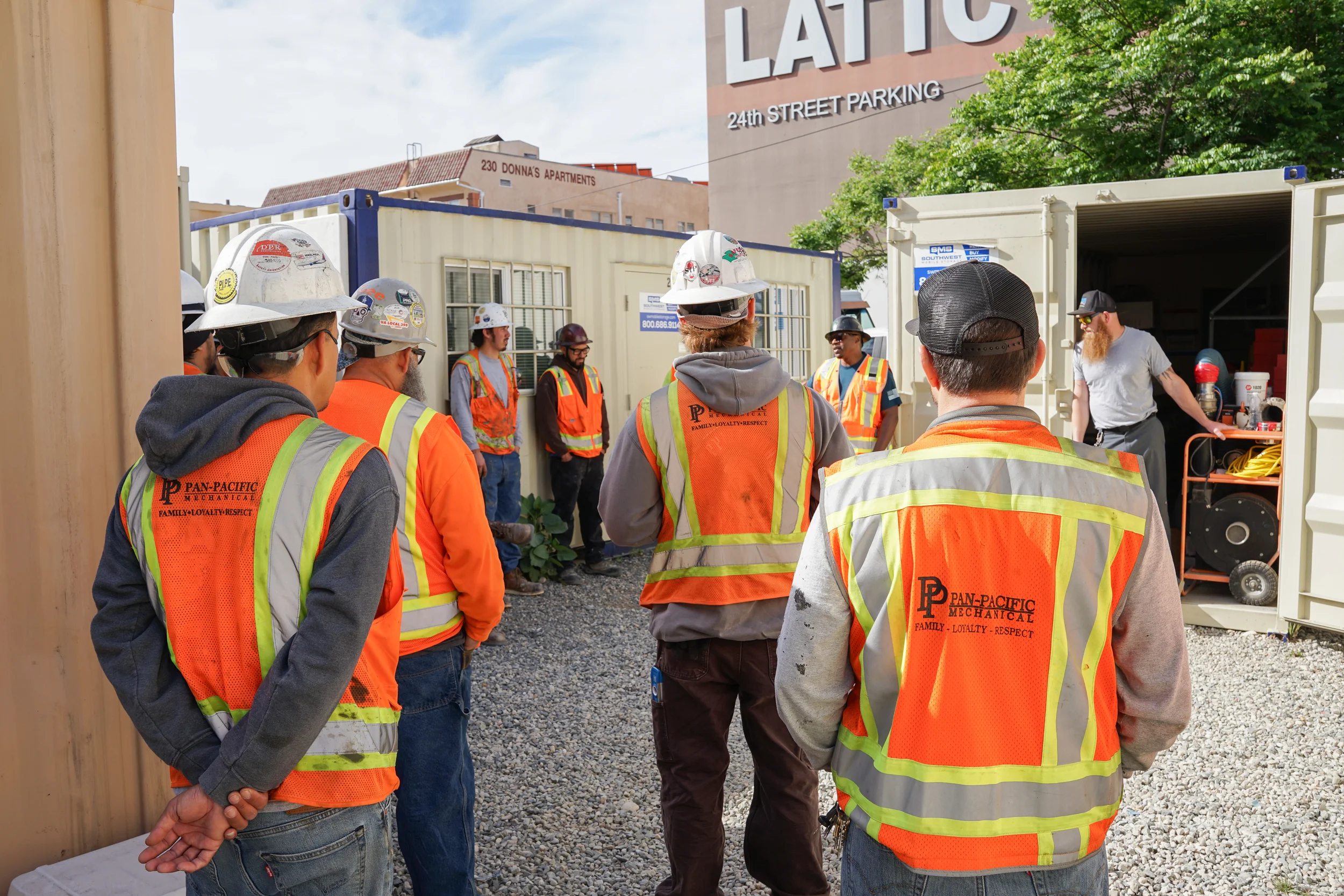
This year's theme 'All In Together' is a reminder that safety is a shared responsibility. Every person, on every jobsite, plays a role in making sure everyone gets home safe. This Construction Safety Week, we're focused on recognizing hazards early, responding with effective controls, and respecting the responsibility we all carry on every jobsite. Safety isn't just a priority, it's in the way we plan, communicate, and execute every day.
The Four Mental Hazards
May is Mental Health Awareness Month, and we're focusing on recognizing mental hazards early, responding the right way, and respecting ourselves and each other enough to speak up when something feels off. Physical hazards are often easy to spot; mental hazards take a little more awareness. By identifying them early, we can help prevent mistakes before they happen and better support ourselves and our crew, both on and off the job.
Mental Hazard #1: Rushing (i.e., I gotta go, I gotta go!)
Mental Hazard #2: Frustration (i.e., This isn't going right)
Mental Hazard #3: Fatigue (i.e., I'm running on empty)
Mental Hazard #4: Complacency (i.e., I've done this a thousand times)
Fall Prevention: Where Mental Hazards Turn Into Injuries
Falls continue to be one of the leading causes of serious injuries in construction, but the physical act of falling is often only part of the story. Many incidents can be traced back to mental and behavioral factors such as rushing to meet deadlines, frustration when work becomes challenging, fatigue from long hours, or complacency that develops through routine tasks.
Recognizing these warning signs is the first step toward prevention. Rushing can lead workers to skip critical safety measures like tying off properly. Frustration can encourage unsafe shortcuts, while fatigue can affect balance, awareness, and decision-making. Complacency can create a false sense of security, leading someone to think, “it won't happen to me.”
Once these hazards are recognized, it is important to respond appropriately. Workers should always maintain 100% tie-off when required, use approved access equipment such as ladders and scaffolds, inspect fall protection systems before use, and stop work if something does not feel right. Taking a moment to address a concern can prevent a life-changing incident.
Just as important is respecting the risks associated with working at height. Gravity does not care about experience level, years in the trade, or project schedules. Respecting the hazards means looking out for yourself, your crew, and the families waiting for everyone to return home safely. Speaking up when a coworker is at risk and fostering a culture where safety concerns are addressed openly helps ensure that no one works alone when it comes to fall prevention.
Safety starts with awareness, but it succeeds through action. By recognizing risks, responding appropriately, and respecting the consequences, we can create safer jobsites for everyone.